
Autumn cohort opens 6 October 2026 · seats capped at 18 Early-bird enrolment ends when the cohort fills — reserve a seat
AFArtiframe

10-week online course Online, worldwide · live cohort

Learn game design by building a game every single week.

Artiframe is a small, mentored studio program for career-switchers and self-taught juniors. Ten weeks of live workshops, weekly build assignments, and honest 1:1 feedback — ending in a portfolio a hiring lead will actually read.

Enroll now See the ten weeks From $790 early-bird · pay after you're confirmed
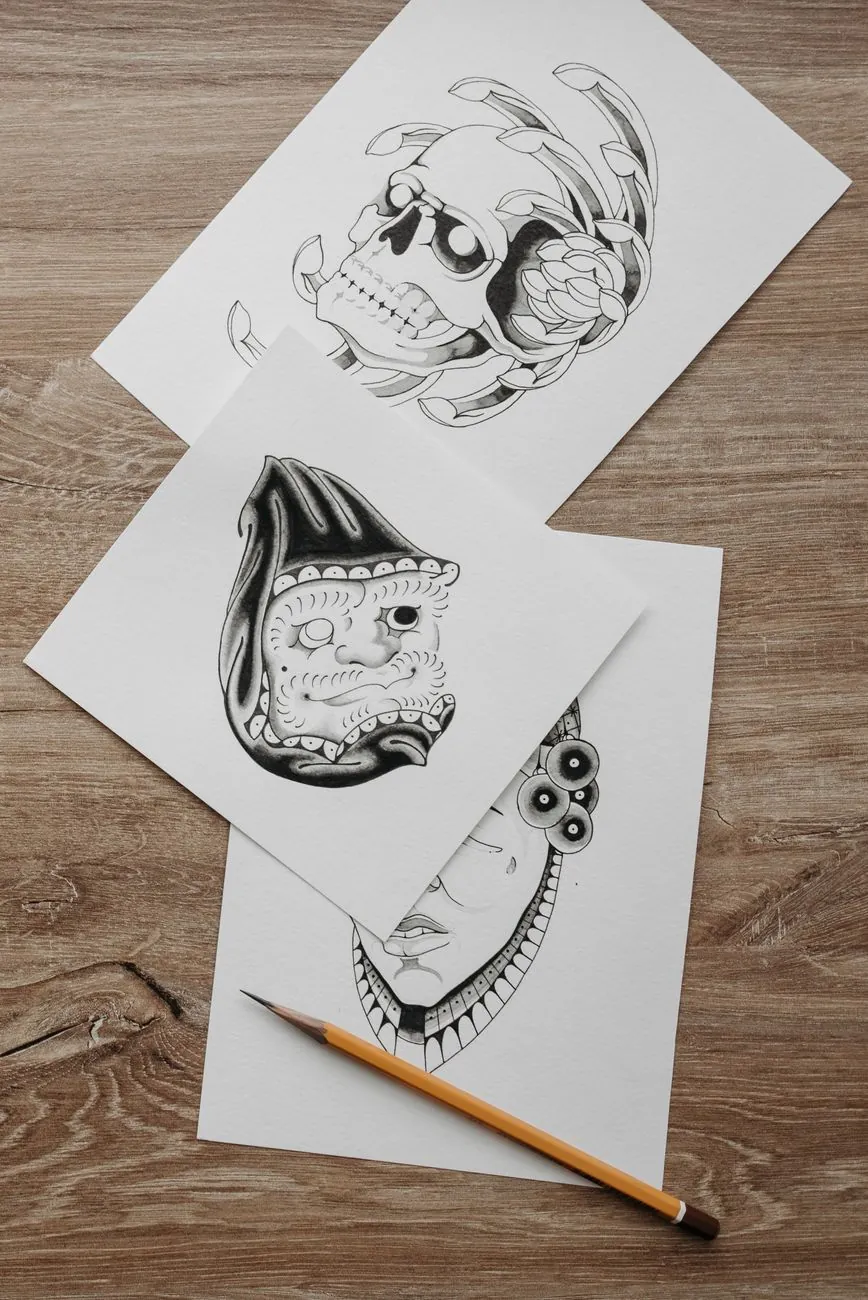
Ink game character sketches spread across a wooden desk beside a pencil
Week 3 — character & systems

Why this course exists

Most people learn game design by reading about it. That's backwards. You learn it by shipping small, broken things and watching real players bounce off them — then fixing what you saw.

So every week you build a playable slice, put it in front of testers, and defend your choices in a live crit. No lectures you passively watch; no six-month "capstone" you never finish. Ten deliverables, ten rounds of feedback, one portfolio at the end.

18
seats per cohort, so mentors know your work
10
weekly builds, each critiqued live
1:1
mentor feedback on everything you ship

The ten weeks

A curriculum you can hold in your hands.

Each week has one focus, one build, and one thing you'll be able to explain in an interview. No filler weeks, no theory for its own sake.

  1. 01

    What a game actually is

    Verbs, goals, feedback. You'll take a game you love apart and rebuild its smallest satisfying moment on paper.

    Build · one-page design
  2. 02

    Core loops that hold attention

    Design a loop players want to repeat, then measure whether they actually do. Intro to the tester's notebook.

    Build · playable loop
  3. 03

    Characters, verbs & game feel

    Why a jump feels good or dead. Tuning input, response and juice on a movement prototype.

    Build · movement toy
  4. 04

    Systems & in-game economies

    Resources, costs and trade-offs. Balance a small economy so no single choice dominates.

    Build · economy sim
  5. 05

    Level design without a tutorial

    Teach players through space and sequence instead of text pop-ups. Block out and playtest one level.

    Build · greybox level
  6. 06

    Onboarding & the first five minutes

    Where players quit and why. Rework an opening so a stranger reaches the fun without help.

    Build · first-run flow
  7. 07

    Playtesting like you mean it

    Run a moderated test, take notes that aren't opinions, and turn observations into a prioritized fix list.

    Build · test report
  8. 08

    Pitching & the design document

    Write a pitch a producer can green-light and a doc a teammate can build from. Clear over clever.

    Build · pitch + one-sheet
  9. 09

    The vertical slice

    Pull your strongest idea into a short, polished, defensible slice — the centerpiece of your portfolio.

    Build · vertical slice
  10. 10

    Portfolio & the final review

    Package your ten weeks into a portfolio and present it to mentors and invited working designers.

    Build · portfolio review

How a week runs

Four beats, every week, for ten weeks.

Roughly eight to ten hours a week. Live sessions are recorded, so a missed evening isn't a missed week.

  1. Monday — live workshop

    A 90-minute session on the week's focus: worked examples, a teardown, and the brief for your build. Ask questions in the room.

  2. Tue–Thu — build

    You make the thing. Prototyping tools are your choice; we help you pick ones that don't get in the way. Office hours are open if you're stuck.

  3. Friday — playtest

    Put your build in front of testers from inside the cohort. Watch where they get confused. Write down what you saw, not what you hoped.

  4. Weekend — 1:1 & crit

    A private mentor review of your work, plus a small-group crit. You leave with a short, specific list of what to change next.

Who reviews your work

Two mentors, both still shipping.

You get the same person all ten weeks — no rotating pool, no anonymous graders. They've made games, cut features, and lived with the results.

Portrait of a game design mentor against a plain studio backdrop Lead mentor

Marta Ozola

Systems & economy design

Fifteen years across two Riga studios, most of them balancing free-to-play economies until they were fair enough to be fun. Marta teaches the systems weeks and runs the Friday crits. Her rule: if you can't explain a number, cut it.


Two designers reviewing work on a laptop during a mentor feedback session Craft mentor

Kaspars Bērziņš

Level design & game feel

Shipped three platformers and one that quietly flopped — which, he says, taught him more than the others combined. Kaspars leads the level and onboarding weeks and reviews every movement prototype frame by frame.

From past cohorts

What ten weeks leaves you holding.

Real builds from graduates — the kind of concrete, defensible work that gets a junior a call back.

A student prototyping a game on a laptop at a workspace
Prototype

Tidepool

A tide-based puzzle loop built in week two, tuned for three weeks until first-time testers stopped asking what to do.

Two people reviewing hand-drawn level layouts and design plans with pencils
Level design

The Long Corridor

A greybox level that teaches its one mechanic through space alone — no tutorial text anywhere in the build.

A student sketching game character concept art at a bright desk
Concept

Ferrite

A visual and verb study for a magnet-platformer, pinned down before a single line of code was written.

An overhead view of a notebook, pen and coffee on a warm wooden desk
Design doc

Slow Harvest

A ten-page pitch and one-sheet for a farming-economy game — clear enough that a mentor could have built from it.

What you walk away with

Not a certificate. A body of work.

10playable builds, critiqued
1polished vertical slice
18peers who test your work
≈90hof hands-on design time

Two ways to take it

Pick the amount of mentor time you want.

Same ten weeks, same live workshops. The difference is how much private, one-to-one attention your work gets. All prices in US dollars. You pay after we confirm your seat — nothing due today.

Game Design Craft

$790$890

Early-bird, then $890 · one 10-week cohort

  • All ten live workshops (recorded)
  • Ten weekly build assignments
  • Weekly small-group critiques
  • One 1:1 mentor review each week
  • Final portfolio review with mentors
Choose Craft
Most chosen

Craft + Mentor Track

$1,230

Everything in Craft, plus a dedicated mentor track

  • Everything in Game Design Craft
  • A second weekly 1:1 with a matched mentor
  • Line-by-line review of your vertical slice
  • A mock portfolio interview before week 10
  • Three months of email follow-up after you finish
Choose Mentor Track
Plan comparison
What's includedGame Design CraftCraft + Mentor Track
Live workshops (10)YesYes
Weekly build assignmentsYesYes
Small-group critiquesYesYes
1:1 mentor reviewsOne per weekTwo per week
Vertical-slice line reviewYes
Mock portfolio interviewYes
Follow-up after the courseAlumni list3 months, 1:1
Price (USD)$790 early-bird / $890$1,230

Before you enroll

Fair questions.

Do I need to know how to code?

No. You'll build playable prototypes, but you can do that with paper, board-game pieces, spreadsheets or no-code tools before you touch an engine. If you already code, great — bring it. If you don't, we'll help you pick tools that stay out of your way.

How much time does it take each week?

Plan for eight to ten hours: about ninety minutes live on Monday, the rest spent building and testing on your own schedule. Sessions are recorded, so a busy evening doesn't cost you the week.

Is this for total beginners or people already in the industry?

It's aimed at career-switchers, serious hobbyists and self-taught juniors who want structure and honest feedback. If you've shipped commercial games for years, this will feel basic — it's a foundation course, not a masterclass.

What do I actually end up with?

Ten critiqued builds, one polished vertical slice, a pitch and design document, and a portfolio you present in week ten to mentors and invited working designers. Concrete artefacts, not a certificate.

When and how do I pay?

Enrolling here just reserves your seat. Once we confirm you fit the cohort, we send payment options by email. We never collect card details through this site.

What if I have to drop out?

Tell us before the cohort starts and we refund you in full; after it begins we'll usually move you to a later cohort. The full terms are in our Refund Policy.

Reserve a seat

Enroll in the autumn cohort.

Eighteen seats, first come first matched. Fill this in and we'll email you within two working days to confirm your place and send payment options. Nothing to pay right now.

  • When10 weeks, autumn cohort opens 6 October 2026
  • WhereOnline, worldwide — live sessions in your timezone
  • Cost$790 early-bird / $890 · Mentor Track $1,230 (USD)
  • Questions[email protected]

Seat request

By sending this you agree to our Privacy Policy. We only use your details to talk to you about the course.